
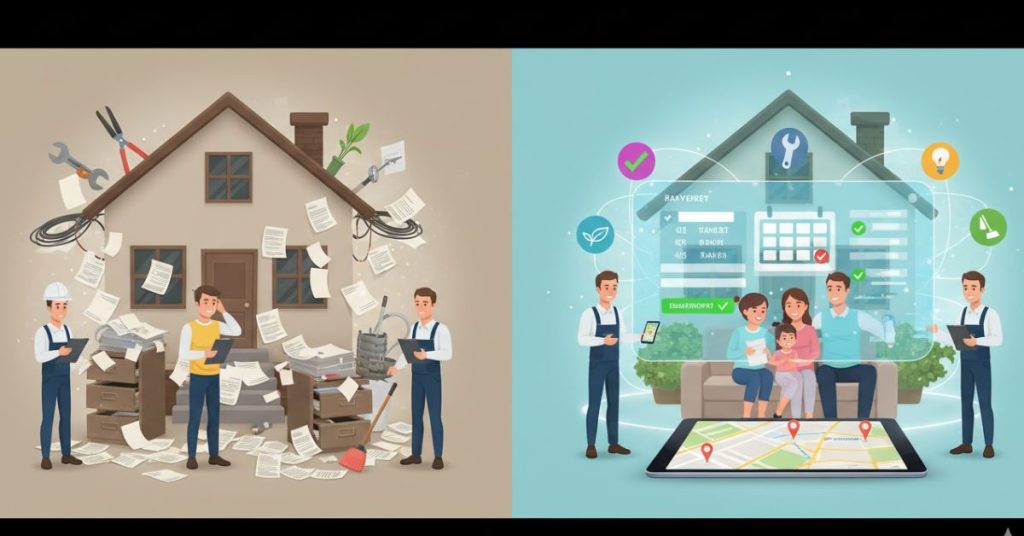
Managing vendors has always been one of the most demanding parts of owning or overseeing a home. From scheduling repairs to tracking invoices, even small gaps in communication can lead to delays, mistakes, and higher costs. As homes become more complex and owners become busier, traditional vendor handling methods no longer offer enough clarity or control.
This is why digital solutions are transforming home vendor management. With the help of modern systems, homeowners and property managers can stay organized, informed, and in control without constant follow-ups or confusion. These tools are changing how vendors are scheduled, monitored, and paid, making vendor relationships more efficient and reliable.
Why Vendor Management Needs a Smarter Approach?
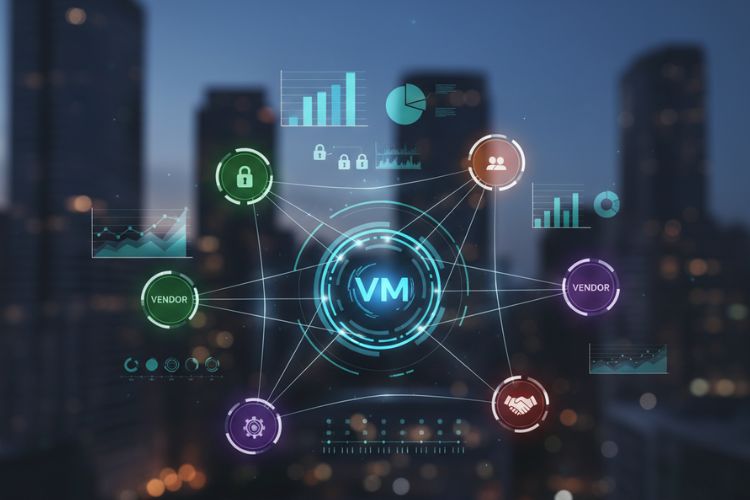
Traditional vendor handling relies heavily on phone calls, emails, and manual tracking. While this may work for a single task, it quickly becomes overwhelming when multiple vendors are involved. Missed messages, unclear timelines, and a lack of documentation often create unnecessary stress.
Digital vendor management tools offer a smarter way forward. They centralize communication, automate scheduling, and provide real-time visibility into vendor activity. This allows both homeowners and managers to move away from reactive problem-solving and toward proactive planning.
What Is Home Vendor Management?
At a basic level, home vendor management refers to the process of organizing and overseeing service providers who work on a residential property. These vendors may handle repairs, routine maintenance, landscaping, cleaning, security, or specialized services.
Effective vendor oversight plays a major role in controlling costs, maintaining quality, and ensuring peace of mind. When vendors are managed properly, work is completed on time, standards are consistent, and unexpected expenses are reduced. This is where strong property vendor management becomes essential.
The Limitations of Traditional Vendor Management Methods
Traditional vendor management depends on informal processes that are not built for today’s residential needs. As homes rely on more service providers, managing everything through manual methods becomes harder to control. Without structure, oversight weakens, costs become harder to track, and service quality can vary from one vendor to another.
-
Manual Communication and Follow-Ups
Relying on calls, texts, and emails often leads to confusion. Messages get missed, instructions are unclear, and updates are delayed. Without a clear system, even simple requests can take longer than expected.
-
Lack of Centralized Records
When records are spread across emails or paper files, it becomes hard to stay organized. Finding past invoices or service details takes time, and decisions often turn reactive instead of planned.
-
Limited Accountability
When timelines, expectations, and responsibilities are not clearly documented, it becomes difficult to hold vendors accountable. Delays and quality issues are harder to address without reliable records. This lack of accountability can lead to repeated problems and inconsistent service.
How Digital Tools Are Transforming Vendor Communication?
Modern platforms bring all vendor conversations into one place. Instead of switching between devices or inboxes, owners and managers can see updates, messages, and approvals together. This level of visibility is especially helpful when working with a Houston property management company that oversees multiple vendors and service providers.
Dedicated vendor communication tools improve clarity and reduce misunderstandings. Real-time notifications keep everyone informed, and issues can be resolved faster. This structured communication also strengthens vendor coordination, especially when multiple vendors are involved.
Streamlining Scheduling and Work Orders with Technology
Scheduling vendors can quickly become stressful when everything is tracked manually. Digital platforms make this easier by organizing schedules automatically and keeping timelines clear. Availability, priorities, and deadlines are all visible in one place, which helps prevent mix-ups and delays.
With vendor management tools, work orders can be created, approved, and tracked without constant follow-ups. Vendors arrive knowing exactly what needs to be done, and homeowners stay informed at every step. For homes that need regular care, this organized approach supports smoother maintenance management and saves time for everyone involved.
Improving Cost Control and Budget Tracking

Financial clarity is a major benefit of digital systems. Instead of unclear estimates or paper invoices, owners receive detailed cost breakdowns for each service.
Using vendor management tools, spending can be tracked over time, making it easier to identify patterns and control budgets. Clear records reduce overbilling and support smarter planning. Strong property vendor management depends on knowing where money is going and why.
Enhancing Vendor Accountability and Performance Tracking
Digital records make accountability easier. Completed work, timelines, and service quality are all documented in one place.
Performance tracking allows owners to make informed decisions when selecting or replacing vendors. This data-driven approach improves long-term reliability and strengthens vendor coordination across all services.
Preventative Maintenance Through Smart Digital Systems
Preventive planning is one of the biggest advantages of modern platforms. Automated reminders ensure routine services are never missed.
Consistent maintenance management reduces emergency repairs and extends the life of home systems. By tracking recurring schedules digitally, owners avoid costly surprises and protect long-term property value. Reliable maintenance management also creates smoother vendor relationships.
Better Documentation and Record Keeping
When all contracts, invoices, and service reports are kept in one secure place, managing vendors becomes much easier. There is no need to search through emails or paper files to find important information. Everything is available when you need it.
Having centralized records brings clarity and confidence to home vendor management. When questions come up about past work or payments, the answers are easy to find. This level of organization reduces misunderstandings and helps everything run more smoothly.
Remote Oversight and Convenience for Homeowners
Digital tools make it possible to manage vendors without being physically present. Dashboards and updates allow owners to stay informed from anywhere.
This level of visibility is ideal for second homes and busy homeowners who rely on structured home vendor management to keep properties running smoothly. Remote access also supports consistent maintenance management when owners are away.
Security and Access Control Using Digital Tools
Security improves when vendor access is tracked digitally. Permissions, schedules, and activity logs reduce risk and improve accountability.
With clear records and vendor communication tools, owners know who is on site and what work is being completed. This added transparency increases trust and control.
How Digital Vendor Management Supports Long-Term Property Value?
Homes hold their value better when they are cared for consistently. When vendors work under clear guidelines and expectations, the quality of their work improves, and repairs tend to last longer. This kind of consistency helps prevent small issues from turning into costly problems later.
Digital vendor management tools make it easier to stay on top of maintenance and service history. Properties stay in good condition, which is especially helpful when it is time to rent or sell. Over the long term, better vendor oversight reduces repair costs and helps protect the value of the home.
Who Benefits Most from Digital Vendor Management Tools?
These systems are ideal for homeowners with limited time, owners of multiple or seasonal homes, and professionals overseeing estates.
Those who use a structured home vendor management service gain both technology and expertise, ensuring vendors meet consistent standards. Many homeowners also choose to work with a trusted Houston property management company to combine local knowledge with digital oversight.
What to Look for in a Digital Vendor Management System?
The best systems are easy to use, offer clear reporting, and integrate smoothly with existing property operations. Owners and vendors should both find the platform simple and intuitive. Strong vendor management tools focus on clarity, communication, and control rather than complexity.
The Future of Home Vendor Management

Home vendor management is moving toward systems that do more of the work in the background. Automation and smart home integration are already making it easier to schedule services, track costs, and stay ahead of maintenance needs without constant effort. As technology improves, planning and decision-making will become more accurate and less time-consuming.
As homeowners expect greater transparency and convenience, digital tools will become a normal part of managing residential vendors. Instead of reacting to problems, owners will rely on smarter systems that help them plan ahead, reduce stress, and maintain better control over their homes.
Final Thoughts
Digital tools have changed the way homeowners work with vendors. Communication is clearer, costs are easier to track, and many of the frustrations that once made vendor oversight stressful are now easier to manage.
With better vendor coordination, dependable maintenance management, and clear records in one place, managing a home feels more organized and less demanding. For homeowners who want clarity, control, and peace of mind, using digital tools has become a practical step forward in home vendor management.